
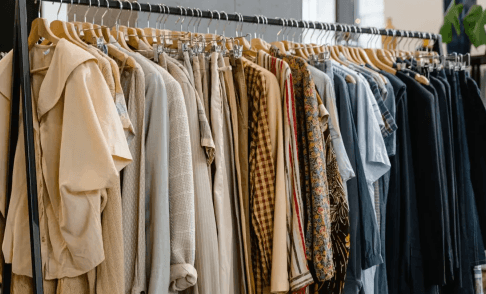

Eco-conscious clothing hinges on materials, supply chains, and lifecycle thinking. It favors durable, repairable garments with transparent origin and verifiable processing data. Dyes, energy use, and end-of-life options matter as much as price. Brands bearing auditable traceability and fair-wage protections are not optional but essential. The path forward emphasizes circular design and practical swaps—repair, resale, responsible disposal—yet real-world progress requires scrutiny and continued improvement. The next step invites closer examination of how to separate hype from substance.
What Defines Eco-Conscious Clothing Today
Eco-conscious clothing today is defined by a combination of materials, manufacturing practices, and accountability that collectively reduce environmental impact. The sector prioritizes eco friendly materials and transparent supply chains, enabling consumers to compare footprints. A circular economy mindset guides design for longevity, repair, and end-of-life recovery, reducing waste while supporting innovation, accountability, and freedom to choose responsibly.
How to Evaluate Fabrics, Dyes, and Durability
When evaluating fabrics, dyes, and durability, shoppers should look beyond price tags to understand material performance and environmental impact. The analysis favors transparent data on fabrics durability and lifecycle, including fiber origin, processing energy, and end-of-life options. Dyes toxicity must be weighed with regulations and alternatives. Informed choices empower freedom seekers to support responsible, durable, and lower-toxicity apparel.
How to Shop Ethically: Supply Chains, Certifications, and Brands
Consumer choices hinge on transparent supply chains, credible certifications, and brand accountability. Ethical sourcing clarifies how materials reach factories, while rigorous oversight protects worker welfare through fair wages and safe conditions. Certifications offer independent verification, guiding shoppers toward responsible brands. Brands committing to traceability, auditable practices, and continuous improvement empower consumers to support sustainable production without sacrificing freedom or quality.
Practical Swaps and Lifecycle Choices for a Sustainable Wardrobe
Practical swaps and lifecycle choices offer tangible paths to a sustainable wardrobe by prioritizing durability, repairability, and minimal environmental impact.
The discussion emphasizes deliberate resource use, repair options, and timeless design over disposable trends.
Practitioners pursue practical swaps that extend garment life, while lifecycle choices favor repair, resale, and responsible end-of-use handling, supporting freedom through informed, long-term stewardship.
See also: The Future of Encryption Technologies
Frequently Asked Questions
How Can I Assess a Brand’s Actual Environmental Impact Beyond Labels?
A brand’s actual environmental impact can be assessed through rigorous brand transparency and independent lifecycle assessment, which illuminate supply chain hotspots, quantify emissions, and compare progress over time, enabling consumers to make informed, freedom-oriented choices beyond surface labels.
What Hidden Costs Accompany Eco-Friendly Clothing Choices?
Hidden costs include longer lead times, higher upfront prices, and potential tradeoffs in fit or durability; supply chain transparency helps reveal these trade-offs, enabling informed choices. The approach remains evidence-based, forward-looking, and oriented toward freedom from opaque practices.
Do Eco Fabrics Perform Well in Extreme Conditions?
Eco fabrics show mixed performance in extreme conditions, performing adequately in moderate stress but occasionally compromising under harsh, sustained demands; evidence suggests material choices matter, with specialized blends offering better resilience while emphasizing ongoing improvement for independent-minded consumers seeking freedom.
How Do Return Policies Affect Sustainability in Online Shopping?
Return policy sustainability shapes online shopping impact by incentivizing longer product lifespans and careful purchasing. Evidence shows clear returns reduce waste when paired with efficient processing, transparent labeling, and durable product design, aligning consumer freedom with responsible, data-driven practices.
What Are the Best Options for Secondhand Luxury Clothing?
Best consignment and luxury resale offer authentic pieces, vetted condition, and transparent pricing; they function as trusted markets where garments regain value. The approach emphasizes provenance, sustainable cycles, and forward-looking choices for freedom-loving shoppers.
Conclusion
In the end, eco-conscious shopping is less a trend and more a due-diligence hobby with laundering instructions. Consumers pretend to chase pristine supply chains, while brands sprinkle buzzwords like certified, traceable, transparent—yet often mislabel the spray. Still, data nudges behavior: repair, resale, and responsible disposal extend wardrobes and lower footprints. The forward path demands auditable accountability, durable design, and honest dyeing disclosures. If shopping becomes a civic habit, climate targets might finally get a responsible, well-dressed audience.
